




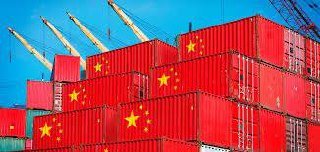
Quality control is a critical component of international trade, ensuring that products meet required standards and regulations across different markets. Effective quality management helps businesses maintain credibility, avoid legal issues, and satisfy customer expectations worldwide.
Defining Quality Control in Global Trade
In the complex and high-stakes arena of international trade, quality control refers to the systematic process of ensuring that goods and services meet predefined standards and specifications before they are shipped across borders. It is a critical component of the supply chain that safeguards the interests of all parties involved—from the manufacturer and exporter to the importer and, ultimately, the end consumer.
Key Standards and Regulations
The primary objectives of quality control in this context are multifaceted. First and foremost, it aims to verify product compliance with the technical, safety, and regulatory requirements of the destination country. This prevents costly rejections, returns, or legal penalties at the port of entry. Secondly, it seeks to protect brand reputation by consistently delivering products that meet the promised quality, thereby building trust and fostering long-term business relationships. Furthermore, it helps to minimize financial risks associated with defective goods, such as warranty claims, loss of sales, and damage to commercial partnerships. Ultimately, robust quality control acts as a risk management tool, ensuring smooth customs clearance and customer satisfaction.
Benefits of Effective Quality Management
The scope of quality control in international trade is extensive and can be broken down into several key areas:
- Pre-shipment Inspection (PSI): This involves checking a random sample of finished goods against the purchase order specifications, including quantity, workmanship, function, packaging, and labeling, before they leave the factory.
- During Production Inspection (DPI): Conducted while production is underway, this assessment monitors the manufacturing process to identify and correct defects early, preventing large-scale non-conformities.
- Container Loading Supervision (CLS): An inspector verifies the quantity of goods being loaded and ensures they are packed securely to prevent damage during transit.
- Laboratory Testing: Products may be sent to accredited labs to verify their composition, safety, performance, and adherence to international standards (e.g., ISO, ASTM) or specific regulations like REACH or RoHS.
- Documentation Review: Ensuring all necessary documents, such as certificates of origin, test reports, and commercial invoices, are accurate and complete is a vital part of the process for customs compliance.
In essence, quality control is the essential checkpoint that transforms a simple transaction into a reliable and successful international trade operation.
Common Challenges and Solutions
In today’s globalized economy, businesses operating across borders must navigate a complex landscape of international quality standards and regulatory frameworks. Adherence to these guidelines is not merely a matter of legal compliance but a strategic imperative for market access, consumer trust, and competitive advantage. Among the most prominent and widely recognized standards is the ISO 9001 family, developed by the International Organization for Standardization. This framework outlines the criteria for a quality management system (QMS), focusing on principles like customer focus, leadership, and continual improvement. Its universal applicability makes it a cornerstone for organizations in virtually every sector, from manufacturing to services.
Future Trends in Quality Assurance
For industries with higher stakes in public health and safety, more specialized and stringent regulations apply. In the medical device and pharmaceutical sectors, compliance with the ISO 13485 standard for medical devices and regulations like the U.S. Food and Drug Administration (FDA)’s Current Good Manufacturing Practices (cGMP) is mandatory. Similarly, the European Union’s CE Marking indicates conformity with health, safety, and environmental protection standards for products sold within the European Economic Area. The automotive industry relies on IATF 16949, a global standard based on ISO 9001 but with additional requirements specific to automotive production.
In summary, robust quality control systems are indispensable for success in international trade. They protect brand reputation, ensure regulatory compliance, and foster trust among global partners and consumers.

[…] Level) ensure representative assessment across production batches. This systematic approach to quality control in international trade catches issues while corrections remain affordable and practical. Trading companies typically […]