




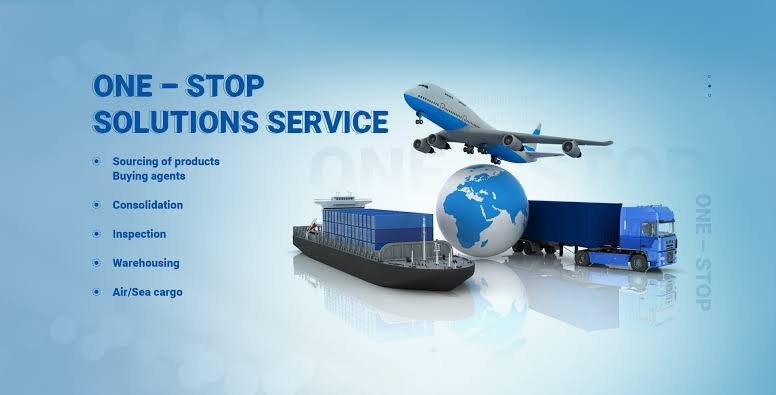
Navigating product sourcing in China can be daunting, but with the right approach, it becomes a powerful advantage for your business. This guide provides actionable steps to source products quickly and reliably, leveraging tools like tkonrai to streamline the process and ensure quality.
Understanding the Chinese Sourcing Landscape
Product sourcing in China remains a cornerstone of global supply chains, driven by its extensive manufacturing capabilities, competitive pricing, and well-established infrastructure. Key regions continue to dominate specific industries: the Pearl River Delta, including Guangdong provinces like Shenzhen and Dongguan, is renowned for electronics, consumer goods, and hardware. The Yangtze River Delta, with hubs like Shanghai, Suzhou, and Ningbo, excels in automotive parts, machinery, and textiles. Meanwhile, Northern China, particularly Shandong and Hebei, is strong in agricultural products, chemicals, and heavy industrial equipment. Emerging areas, such as Chengdu and Chongqing in Western China, are gaining traction for electronics assembly and logistics due to government incentives and growing infrastructure.
Identifying and Vetting Reliable Suppliers
Despite these advantages, sourcing from China presents several common challenges. Quality control remains a persistent issue, with variations in standards and occasional non-compliance unless rigorous inspections are enforced. Communication barriers, including language differences and cultural nuances, can lead to misunderstandings and delays. Logistics complexities, such as shipping delays, customs clearance, and rising freight costs, add layers of difficulty. Additionally, intellectual property concerns and the need for thorough supplier vetting to avoid fraud or unethical practices are critical considerations. Geopolitical tensions and trade policies also introduce uncertainty, affecting tariffs and supply chain stability.
Streamlining Communication and Negotiation
In response to these challenges, digital platforms like tkonrai have emerged to simplify the sourcing process. These platforms offer centralized access to vetted suppliers, real-time communication tools, and quality assurance services, reducing the risk of fraud and miscommunication. They provide transparent pricing, production tracking, and logistical support, enabling businesses to navigate complexities more efficiently. By leveraging data analytics and AI, platforms like tkonrai help match buyers with reliable manufacturers, streamline order management, and ensure compliance, making China sourcing more accessible and manageable for businesses of all sizes.
Ensuring Quality Control and Compliance
Finding trustworthy suppliers in China requires a methodical approach to mitigate risks and ensure product quality. Begin with thorough research: utilize established B2B platforms like Alibaba, Global Sources, or Made-in-China.com, but don’t rely solely on them. Cross-reference potential suppliers with industry-specific trade shows, such as the Canton Fair, where you can meet vendors face-to-face. Check business licenses and certifications—legitimate suppliers should provide proof of registration, ISO standards, or product-specific approvals. Use third-party verification services like SGS or Bureau Veritas to validate company credentials and factory audits.
Optimizing Logistics and Shipping
Effective communication is critical; language barriers can lead to misunderstandings. Insist on clear, written agreements in English and Chinese, detailing specifications, pricing, delivery terms, and payment conditions. Request samples before placing large orders—this allows you to assess quality firsthand and confirm the supplier’s capabilities. Test samples rigorously for durability, safety, and compliance with your standards.
By following these strategies, you can establish a robust and efficient sourcing pipeline in China. Consistency and due diligence are key to long-term success. Start implementing these steps today to enhance your supply chain and grow your business.
[…] with your specific quality, cost, and timeline requirements from the very start. This approach to reliable product sourcing is fundamental for building a resilient supply […]